
If your product needs to stay cold, frozen, or within a strict temperature range from the moment it leaves your dock until it reaches the customer, you’re relying on what the industry calls the “cold chain.” Break that chain for even a short window, and you risk spoiled inventory, failed inspections, or a rejected delivery. Here’s a plain-English breakdown of how it works.
What is the cold chain, really?
The cold chain is the unbroken sequence of temperature control that keeps a shipment safe from origin to destination. It covers everything: the trailer’s reefer unit, how the load is packed, how long doors stay open at each stop, and how quickly the truck is pre-cooled before loading even begins.
The key word is “unbroken.” One weak link — a trailer that wasn’t pre-cooled, a dock delay in the heat, a driver who doesn’t check pulp temperature — can undo everything done right before it.
Continuous-run vs. cycle-sentry mode
Reefer units typically run in one of two modes:
- Continuous-run keeps the unit’s engine running non-stop, holding a tighter, more consistent temperature. This is standard for highly sensitive freight like pharmaceuticals or certain proteins.
- Cycle-sentry lets the engine shut off once the set temperature is reached, restarting when needed. It saves fuel and reduces noise, and works well for less sensitive frozen or chilled goods.
Choosing the wrong mode for your commodity is a common — and avoidable — mistake.
Why pre-cooling the trailer matters
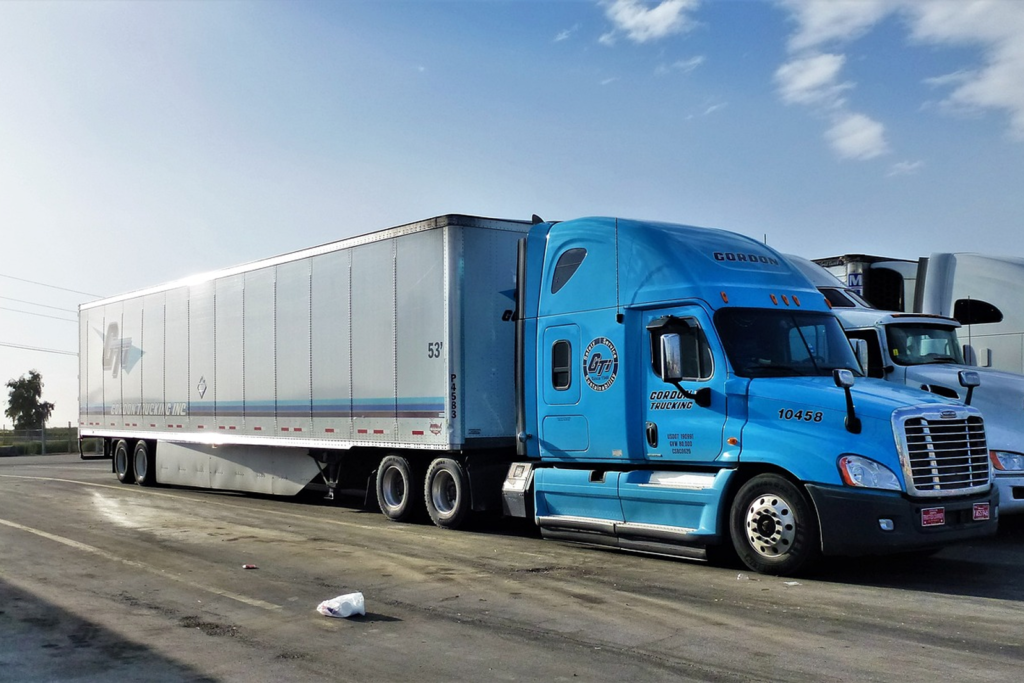
Loading fresh produce into a warm trailer, expecting the reefer unit to cool it down in transit, is one of the most frequent causes of spoilage claims. Reefer units are built to maintain temperature, not aggressively pull it down after the fact. The trailer should be pre-cooled to the target temperature before a single pallet goes in
Airflow and loading pattern matter as much as the setpoint
Even a perfectly calibrated reefer unit can’t do its job if the load is packed wall-to-wall with no airflow channel. Cold air needs to circulate around the entire load — front to back, floor to ceiling. Improperly stacked pallets create hot spots, even when the unit reads the correct temperature.
Documentation isn’t optional
Temperature logs, pulp-temp readings at pickup, and chain-of-custody records aren’t just paperwork — they’re what protects you if a claim comes in. A good cold chain partner tracks and shares this documentation as a matter of course, not only when something goes wrong.
The takeaway
Cold chain reliability comes down to a series of small, disciplined steps done right, every time: proper pre-cooling, the right reefer mode, correct loading pattern, and complete documentation. Miss one, and the whole shipment is at risk.
Villa1.Inc keeps the cold chain moving with dependable, temperature-controlled freight solutions and clear communication at every step. Reach out for a quote on your next cold chain shipment.