
A late reefer load isn’t just a scheduling problem. If the temperature slips outside the safe range for even a few hours, an entire truckload of produce, dairy, or pharmaceuticals can be rejected at the dock. That’s why choosing the right reefer broker matters more than almost any other decision in your cold chain.
Here’s what actually separates a dependable reefer broker from one that will cost you a load.
1. Real reefer experience, not general freight experience:
Temperature-controlled freight isn’t the same business as dry van. A broker who mainly moves dry goods may not know how pre-cooling works, why continuous-run mode matters on certain lanes, or how humidity affects produce differently than frozen meat. Ask any broker you’re vetting how many reefer loads they move monthly and which commodities they specialize in.
The key word is “unbroken.” One weak link — a trailer that wasn’t pre-cooled, a dock delay in the heat, a driver who doesn’t check pulp temperature — can undo everything done right before it.
2. A vetted, reefer-capable carrier network:
Not every carrier with a reefer trailer actually maintains it properly. A strong broker pre-screens carriers for:
- Working reefer units with maintenance records
- Drivers trained in pre-trip temperature checks and pulp-temp verification
- On-time performance specific to cold freight, not just general freight
3. Visibility from pickup to delivery:
You shouldn’t have to call and ask where your load is. Look for a broker who provides real-time tracking and proactively flags temperature or route issues before they become claims. Clear, ongoing communication is one of the simplest ways to tell a serious cold chain partner from a broker who’s just posting loads on a board.
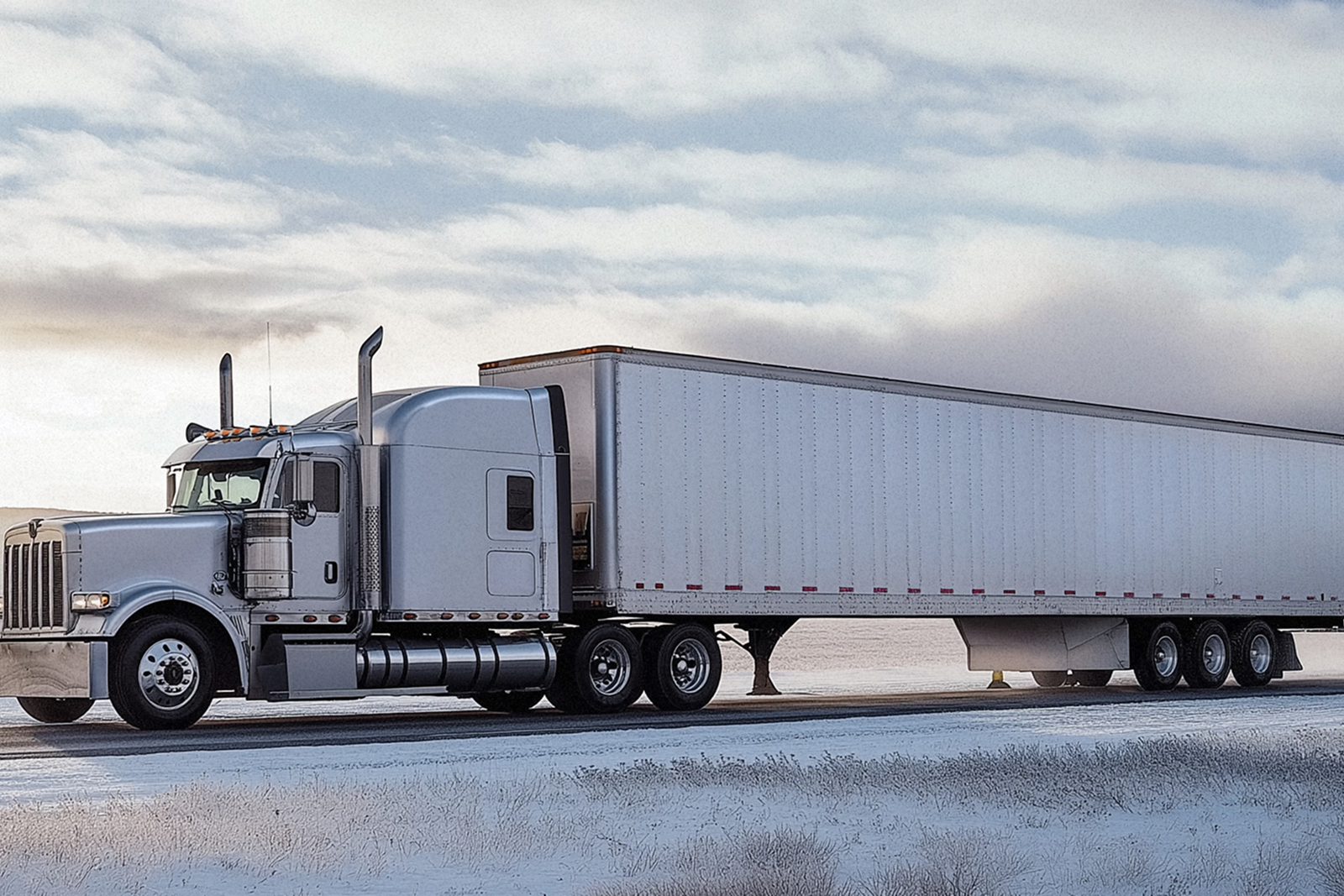
4. Understanding of commodity-specific handling:
Produce, dairy, meat, seafood, and pharmaceuticals each have different tolerances and documentation requirements. A broker who treats all reefer freight the same way is more likely to make a costly mistake — like loading temperature-sensitive pharma without the right monitoring in place.
5. Transparent pricing and honest capacity:
Reefer capacity tightens fast during produce season and holiday demand spikes. A broker who gives you a straight answer about capacity and pricing — instead of overpromising to win the load — is the one who’ll actually get your freight delivered on time.
The bottom line:
Your broker is the difference between a load that arrives fresh and compliant, and one that shows up as a claim. Ask pointed questions before you hand over your next shipment: reefer volume, carrier vetting process, visibility tools, and commodity experience.
Villa1.Inc specializes in temperature-controlled freight for manufacturers, food distributors, and reefer shippers, with a dependable carrier network and clear communication on every load. Get a quote for your next shipment.